


Posts by Admin

Medical Device Cybersecurity: Building Trust in Connected Healthcare
Connected medical devices and clinical software carry cybersecurity expectations that protect patients, data and service continuity. This overview reviews common risk surfaces, security responsibilities across manufacturers and institutions, and practical steps for safer connected care.

The Microbiome: Translating Research Into Diagnostic and Clinical Applications
Microbiome research examines microbial communities in and on the body. This overview explains common study methods, how microbiome data are being explored in diagnostics and risk assessment, and why many clinical applications remain at an early, evidence-building stage.

Software as a Medical Device: Regulation and the Rise of Digital Therapeutics
Software intended to treat, diagnose, monitor or prevent disease is classified as a medical device in many frameworks. This overview explains the SaMD concept, how digital therapeutics are evaluated, and what regulatory and evidence expectations adopters should understand.

Minimally Invasive Surgery: Instruments, Imaging and Recovery Trends
Minimally invasive approaches use small incisions, specialized instruments and intraoperative imaging to access targeted tissue. This overview reviews common tool categories, the role of imaging, recovery expectations and the training requirements behind modern surgical practice.

Wearable Biosensors: Continuous Health Data Between Visits
Wearable sensors track heart rate, activity, sleep, skin temperature and other signals outside the clinic. This overview reviews common wearable measures, how data are used clinically, and the accuracy, privacy and interpretation caveats users should understand.

Telehealth: Expanding Access While Protecting Patient Privacy
Telehealth consultations and virtual care platforms reduce travel and connect patients to clinicians at a distance. This overview examines where virtual visits work well, what technical and clinical limitations remain, and how privacy and confidentiality are protected.
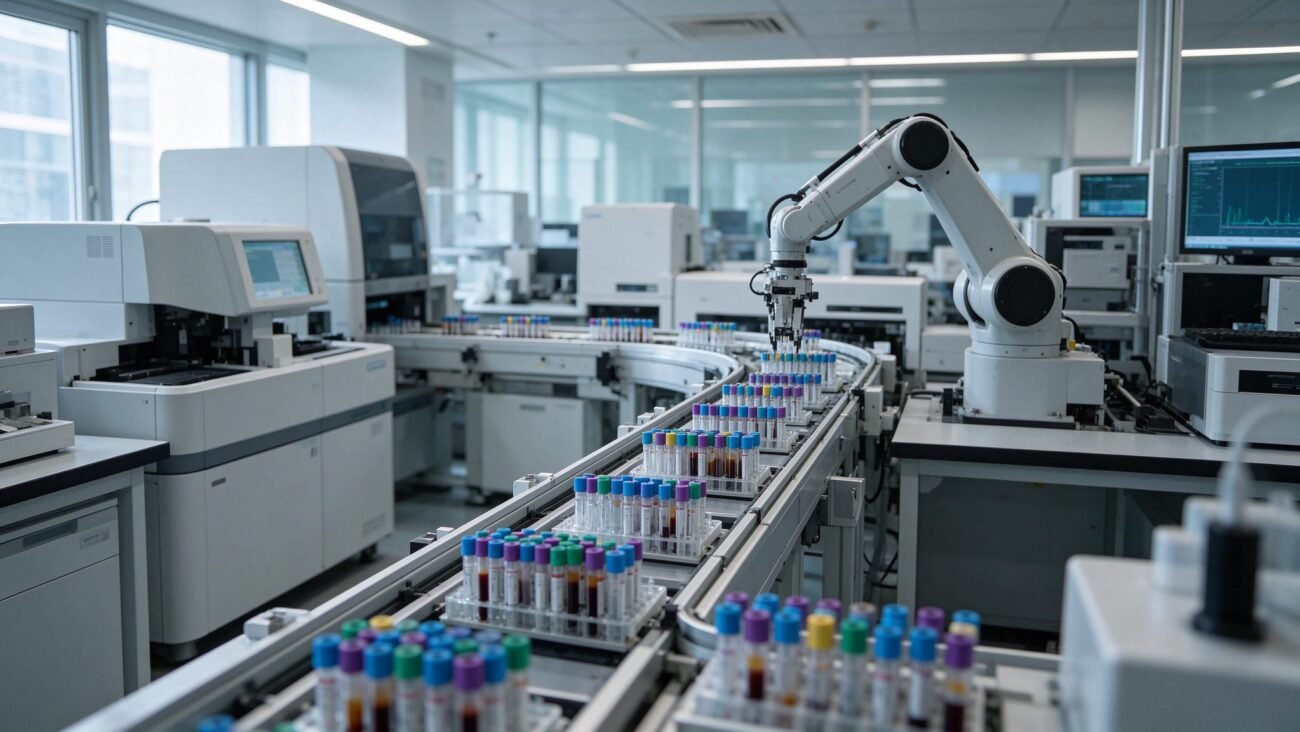
Laboratory Automation and Robotics: Throughput, Consistency and Traceability
Automated track systems, robotic workcells and digital sample handling are reshaping how laboratories manage volume, repeatability and traceability. This overview examines where automation adds value, what implementation requires, and which human roles remain essential.

Remote Patient Monitoring: Connected Devices Outside the Clinic
Remote patient monitoring uses connected devices to collect health data between in-person visits. This overview examines common monitored parameters, program design, data privacy and the role of clinical teams in reviewing readings.

Point-of-Care Testing: Moving Laboratory Results Closer to the Patient
Point-of-care testing delivers rapid results at or near the patient rather than sending samples to a central laboratory. This overview covers common POCT categories, workflow and quality-control considerations, and where rapid testing fits within broader diagnostic pathways.

How AI-Assisted Diagnostics Are Supporting Clinical Decision-Making
Machine-learning tools are increasingly used to flag patterns in imaging, lab results and structured records. This article reviews where AI-assisted diagnostics add value, where human oversight remains essential, and what health systems should evaluate before adoption.