


News
Minimally Invasive Surgery: Instruments, Imaging and Recovery Trends

Introduction
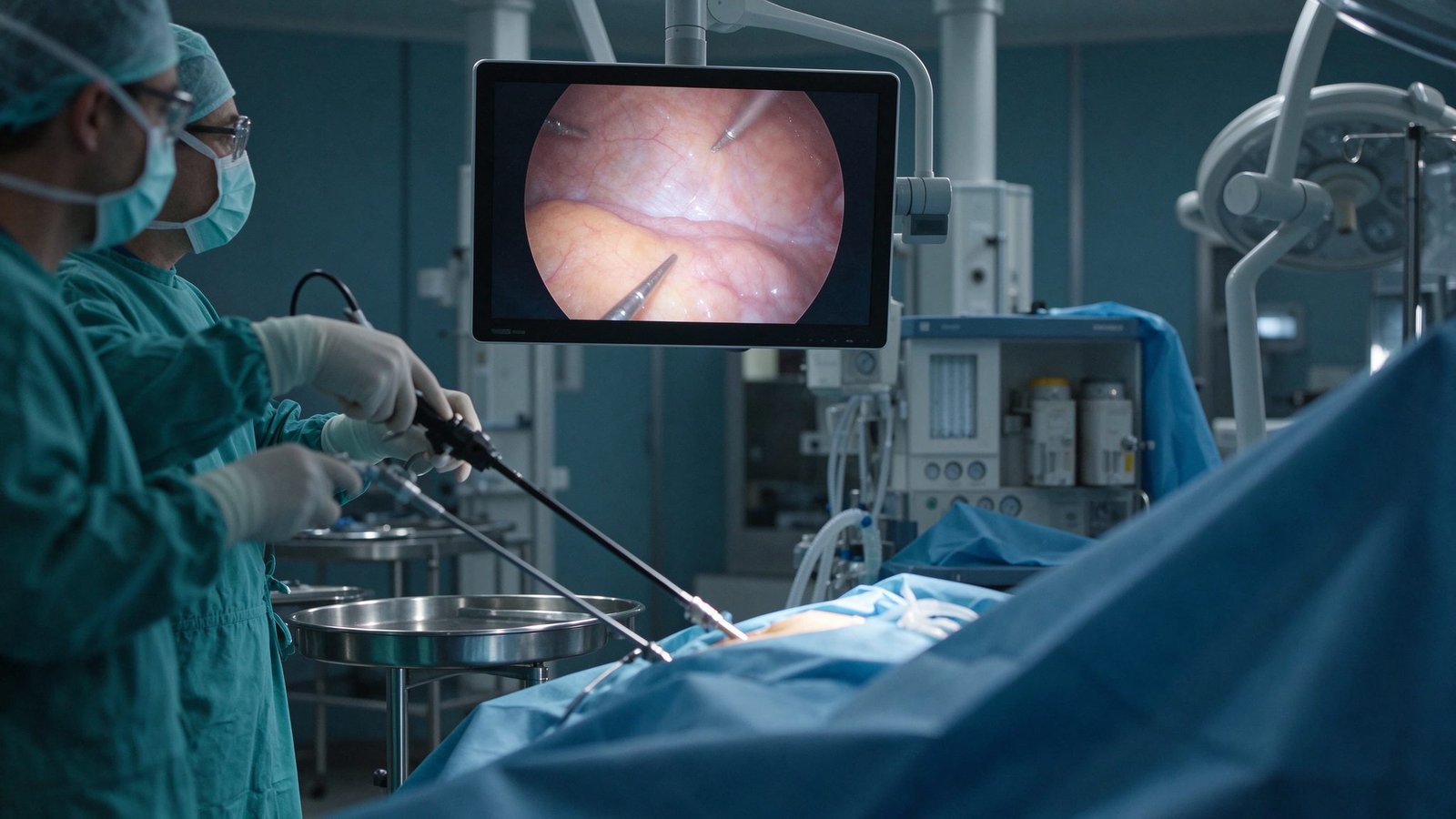
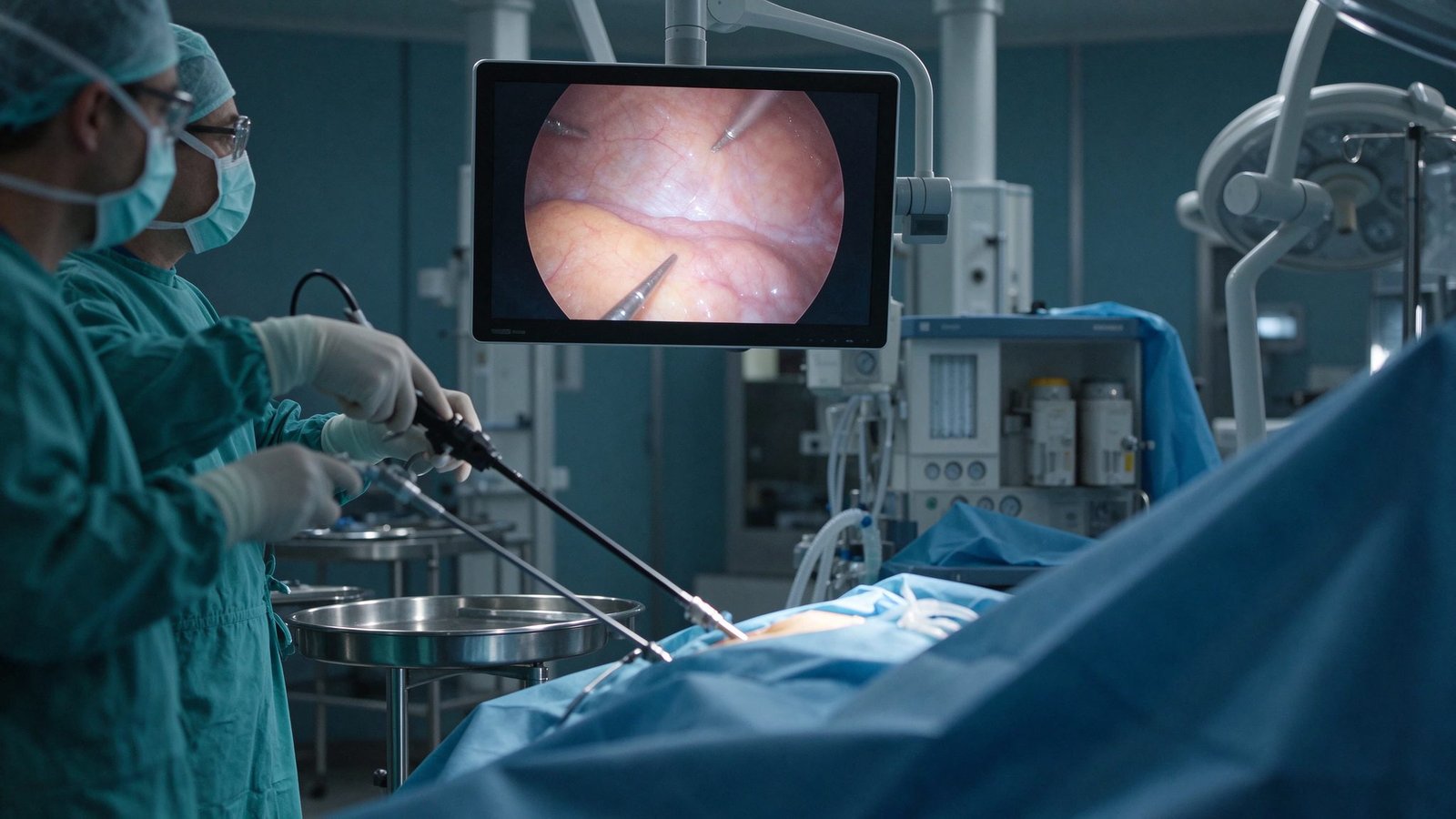
Minimally invasive surgery (MIS) refers to surgical techniques that access the operative site through small incisions or natural openings, using elongated instruments, cameras and specialized imaging instead of a wide open exposure. Common approaches include laparoscopic, endoscopic, arthroscopic and selected robot-assisted procedures. The general aim is to reduce tissue trauma, shorten hospital stay and support earlier return to daily activities, while completing the same surgical objectives. Suitability for a minimally invasive approach depends on the patient, the procedure, anatomy and the surgeon’s experience.
Instrument Categories Used in MIS
- Endoscopes and cameras: Rigid or flexible scopes carry a camera and light source into the body cavity, transmitting a magnified view to a screen in the theatre.
- Access ports and trocars: Cannulas provide stable entry points for instruments while preserving a sealed working space in procedures that use gas insufflation.
- Dissectors, graspers and staplers: Long-shafted instruments cut, grasp, seal or divide tissue; specialized clips and staplers handle vessels and tissue closures.
- Energy devices: Ultrasonic and electrosurgical tools cut and coagulate tissue, controlling bleeding while limiting collateral heat where configured appropriately.
- Robot-assisted systems: Surgeon-controlled platforms translate hand movements into precise instrument actions; the system is operated by trained clinicians, not autonomously.
The Role of Intraoperative Imaging
Because the surgeon does not work through a direct open view, imaging and visualization are central to MIS. Cameras provide the primary real-time view, while additional modalities—fluoroscopy, ultrasound, optical coherence imaging or navigation overlays—may help locate anatomy, guide instruments or verify placement. Image quality, lighting and scope cleanliness directly affect safety; surgeons monitor for bleeding, tissue injury and anatomical landmarks on screen. In robot-assisted and navigated systems, registration between the patient and imaging data must be checked before and during the procedure.
Recovery and Outcomes
Minimally invasive approaches are commonly associated with smaller wounds, less postoperative pain, shorter hospital stays and faster return to routine activities compared with equivalent open surgery in selected cases. These outcomes are not guaranteed: procedure complexity, patient fitness, scar tissue, anatomical difficulty and complications influence recovery. Postoperative care follows standard surgical principles—wound care, activity guidance, symptom monitoring and review of red flags—regardless of how the operation was performed. Patients should discuss expected recovery, risks and alternatives with their surgical team before consent.
Training and Competence
MIS requires distinct skills: depth perception from a two-dimensional screen, hand-eye coordination with long instruments, and precise control of tissue under magnified vision. Training includes simulator practice, supervised cases and structured skills assessment, with continued learning as instruments and platforms evolve. Teams maintain clear theatre workflows, equipment checks and troubleshooting procedures. Conversion to an open procedure remains a recognized safety option when visibility, access or safety demands it, and should be viewed as part of responsible practice rather than a failure.
Materials, Ergonomics and Safety
Instrument design continues to improve ergonomics, articulation and instrument variety. Theatre teams also pay attention to sterilization and reuse protocols, device inspection and compatibility between platforms. Patient-safety steps include correct site and side marking, verified equipment function, anesthesia coordination and postoperative surveillance. As with any surgery, infection prevention, bleeding management and emergency preparedness apply throughout the minimally invasive workflow.
What to Watch
Development trends include higher-definition and three-dimensional visualization, smaller flexible instruments, improved tactile feedback research, and integrated navigation that overlays preoperative imaging on the operative view. Evaluation continues on long-term outcomes, cost-effectiveness and learning curves for newer platforms. The direction of travel remains focused on extending safe MIS to more patients while maintaining rigorous training and evidence standards.
Key Takeaways
- MIS combines small-access instruments, camera vision and imaging to complete targeted surgery with less tissue trauma in suitable cases.
- Imquality and trained judgement are central; open conversion is a planned safety pathway when needed.
- Recovery expectations vary, and surgical decisions should follow individualized clinical assessment.
Disclaimer: This article is for general information and professional awareness only. It does not constitute medical advice, surgical guidance for any individual, or a recommendation for any specific device or procedure. Surgical treatment and consent must be determined by qualified clinicians according to applicable regulations and evidence-based practice.