


News
Wearable Biosensors: Continuous Health Data Between Visits

Introduction
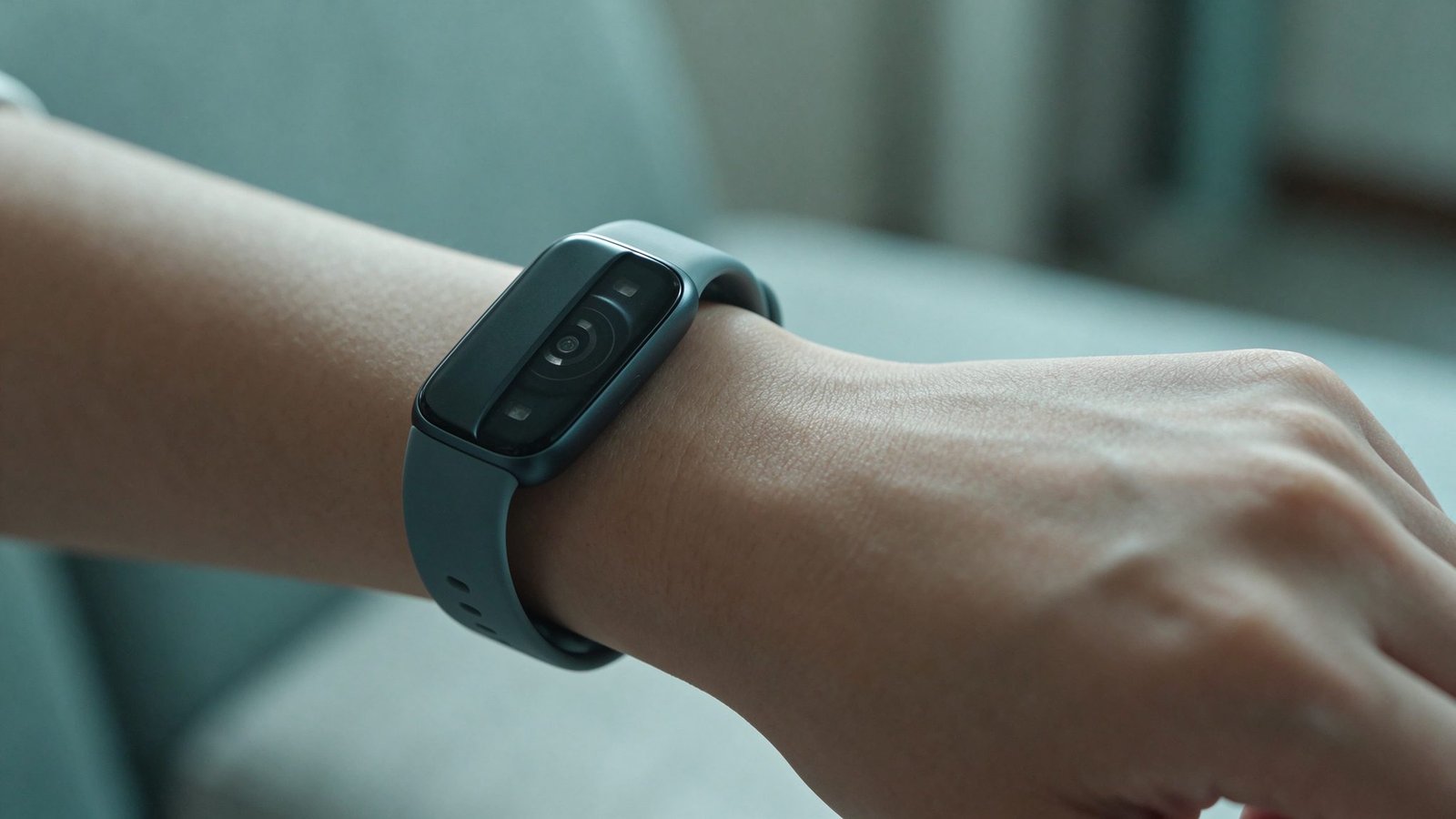
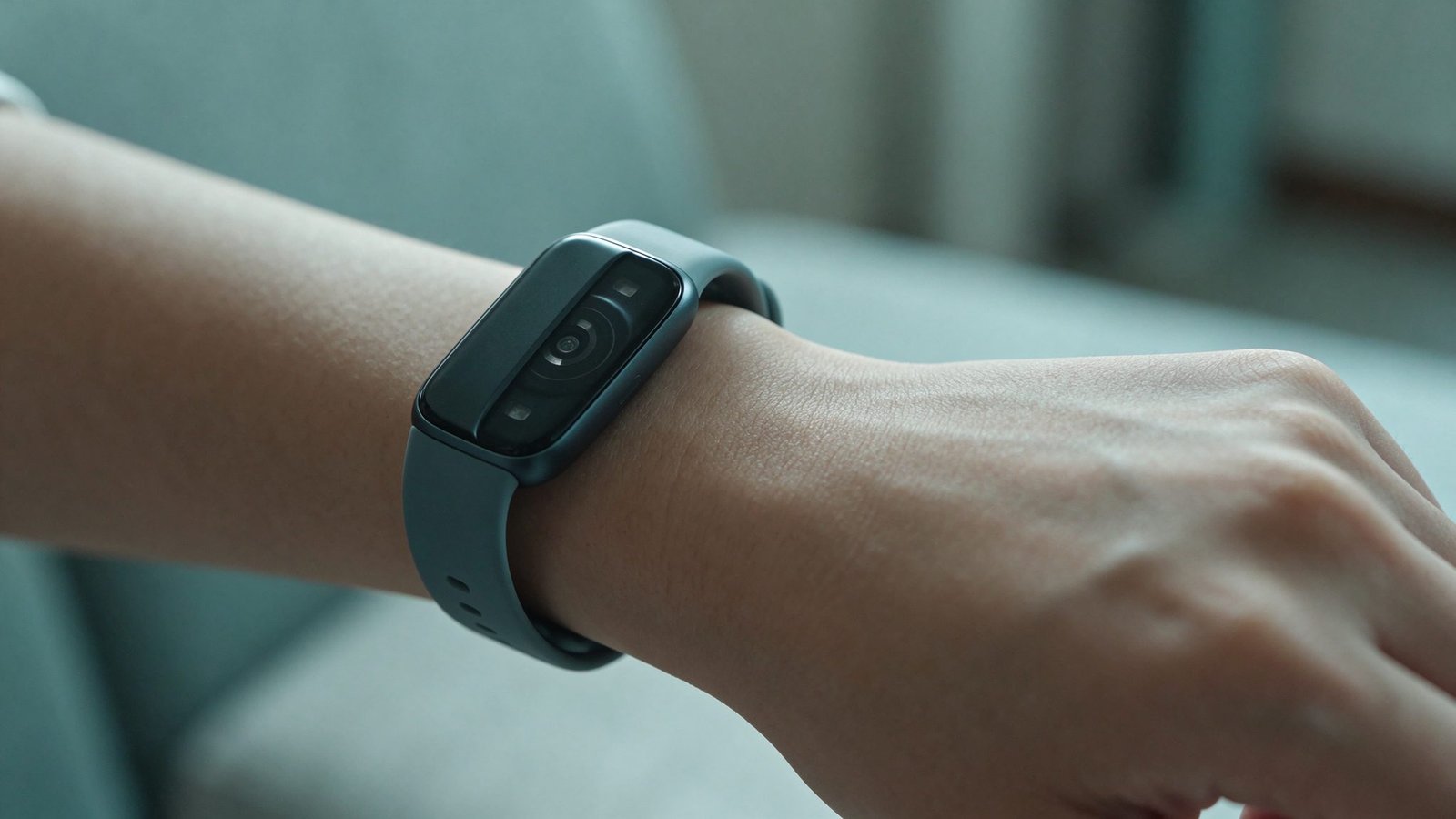
Wearable biosensors are devices worn on the body—watches, bands, patches, rings or clips—that measure physiological or activity signals over time. Consumer wearables commonly report heart rate, step count, sleep stages and estimated energy expenditure; clinical-grade sensors may add electrocardiogram-style rhythm recordings, oxygen saturation, skin temperature or continuous glucose measurements in selected formats. The appeal is continuous, everyday data rather than a single snapshot, but the meaning and reliability of that data vary widely by sensor, algorithm and use case.
Common Signals Tracked by Wearables
- Heart rate and rhythm: Optical sensors estimate pulse continuously; some devices offer limited rhythm recording that users may share with clinicians for review.
- Activity and energy expenditure: Steps, distance, active minutes and activity patterns summarize daily movement.
- Sleep metrics: Wearables estimate sleep duration and stages from movement and heart-rate patterns, though these are indirect measures rather than clinical sleep study recordings.
- Body temperature and oxygen saturation: Skin temperature trends and estimated blood oxygen are available on selected devices, with context-dependent accuracy.
- Glucose monitoring: Continuous glucose sensors provide interstitial fluid readings used by people managing diabetes under clinical guidance.
How the Data Reach Clinical Care
Wearable data become clinically useful when they fit a defined question and are reviewed by a qualified person. A patient may bring trend summaries to a visit, or a study may use aggregated device data to monitor activity recovery or symptom patterns. Clinicians interpret readings alongside symptoms, examination findings and conventional tests; consumer-grade estimates are not diagnostic on their own. When a device flags a possible irregular rhythm or abnormal value, confirmation typically requires appropriate clinical measurement rather than immediate treatment based on the alert alone.
Accuracy and Sensor Limitations
Wearable accuracy depends on sensor type, fit, skin conditions, movement, device placement and the algorithm used. Optical heart-rate readings can be affected by motion and nail-art or skin tone variations; sleep staging is an estimate rather than a polysomnography assessment; oxygen readings may be less reliable during movement. Consumers should understand which measures are validated for which purpose, and manufacturers’ claimed ranges should be checked against independent evaluation where available. A device that works for general wellness may not meet the accuracy standard required for medical decisions.
Privacy and Data Ownership
Wearables collect continuous personal data, often through companion apps and cloud accounts. Users should review what biometric information is collected, how it is stored, whether it is shared with third parties, and what deletion options exist. Connected health devices fall under health-data protection expectations depending on their classification and use; employers, insurers or commercial partners should not obtain sensitive readings without clear consent. For devices used in or alongside clinical care, data governance and security standards are reviewed by the adopting institution.
Wellness Use vs Medical Use
A useful distinction separates general wellness tracking from medical-intended devices. Wellness products support lifestyle awareness and activity trends; they are not intended to diagnose, cure or treat disease. Medical-intended wearables carry regulatory requirements around intended use, validation and labeling. Users should not rely on a consumer band to detect a serious condition, and should seek professional care for persistent symptoms, chest discomfort, fainting or other concerning signs regardless of what a wearable reports.
What to Watch
Ongoing development includes sensors that measure additional metabolites through skin or breath, longer-lasting patches with automated adherence tracking, and better integration between consumer wearables and clinical record systems. Future evaluation will likely focus on validated accuracy in diverse populations, transparent algorithms, and evidence that wearable-guided care actually improves outcomes rather than increasing anxiety or unnecessary testing.
Key Takeaways
- Wearables provide useful everyday trends, but most consumer measures are estimates, not diagnostic readings.
- Clinical interpretation requires qualified review, conventional testing where needed, and awareness of sensor limits.
- Continuous biometric data require careful attention to consent, security and data ownership.
Disclaimer: This article is for general information and professional awareness only. It does not constitute medical advice, a diagnosis or a recommendation to use any specific wearable. Device performance and clinical suitability should be assessed under applicable regulations and by qualified healthcare professionals.