


News
Software as a Medical Device: Regulation and the Rise of Digital Therapeutics

Introduction
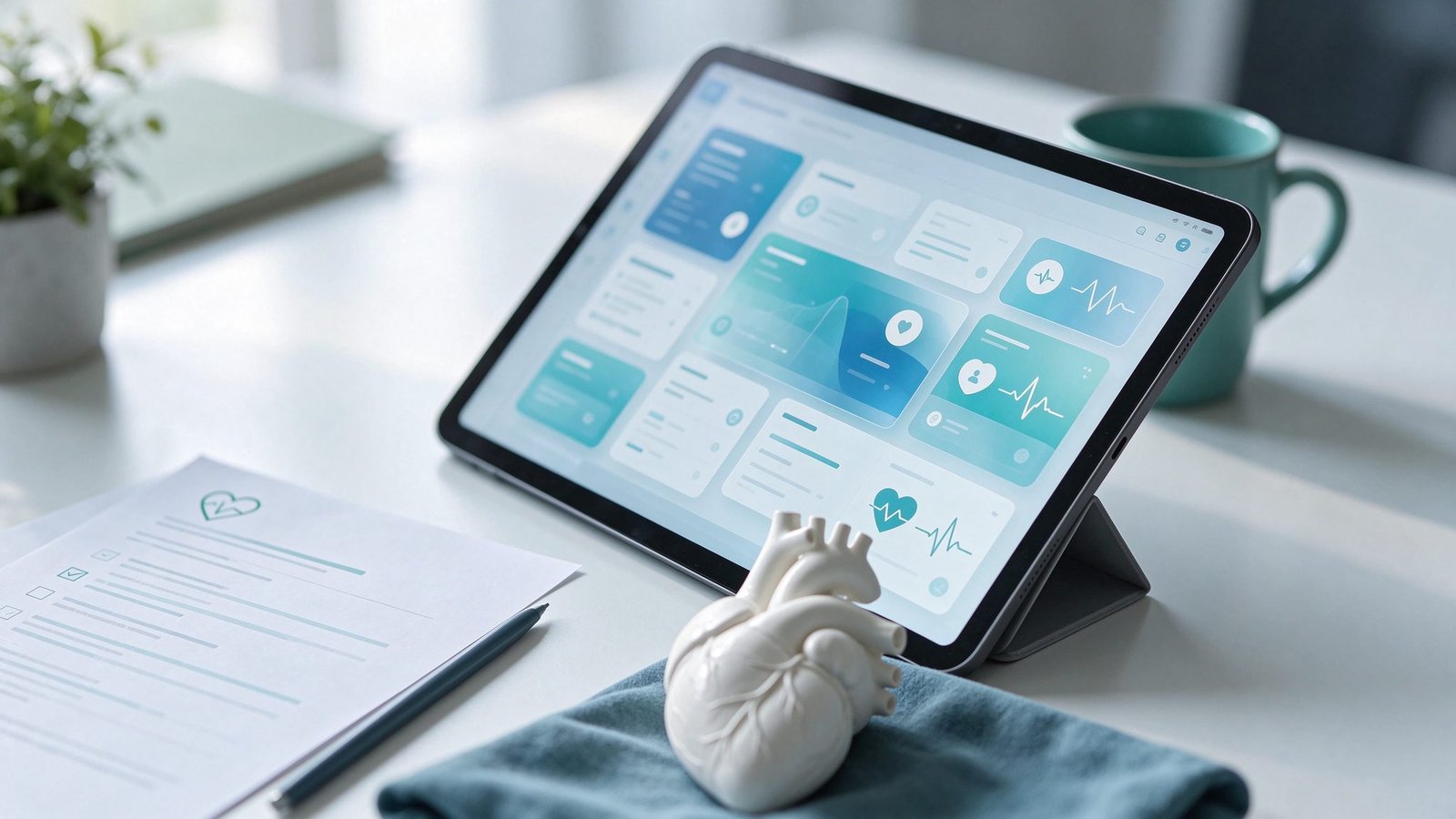
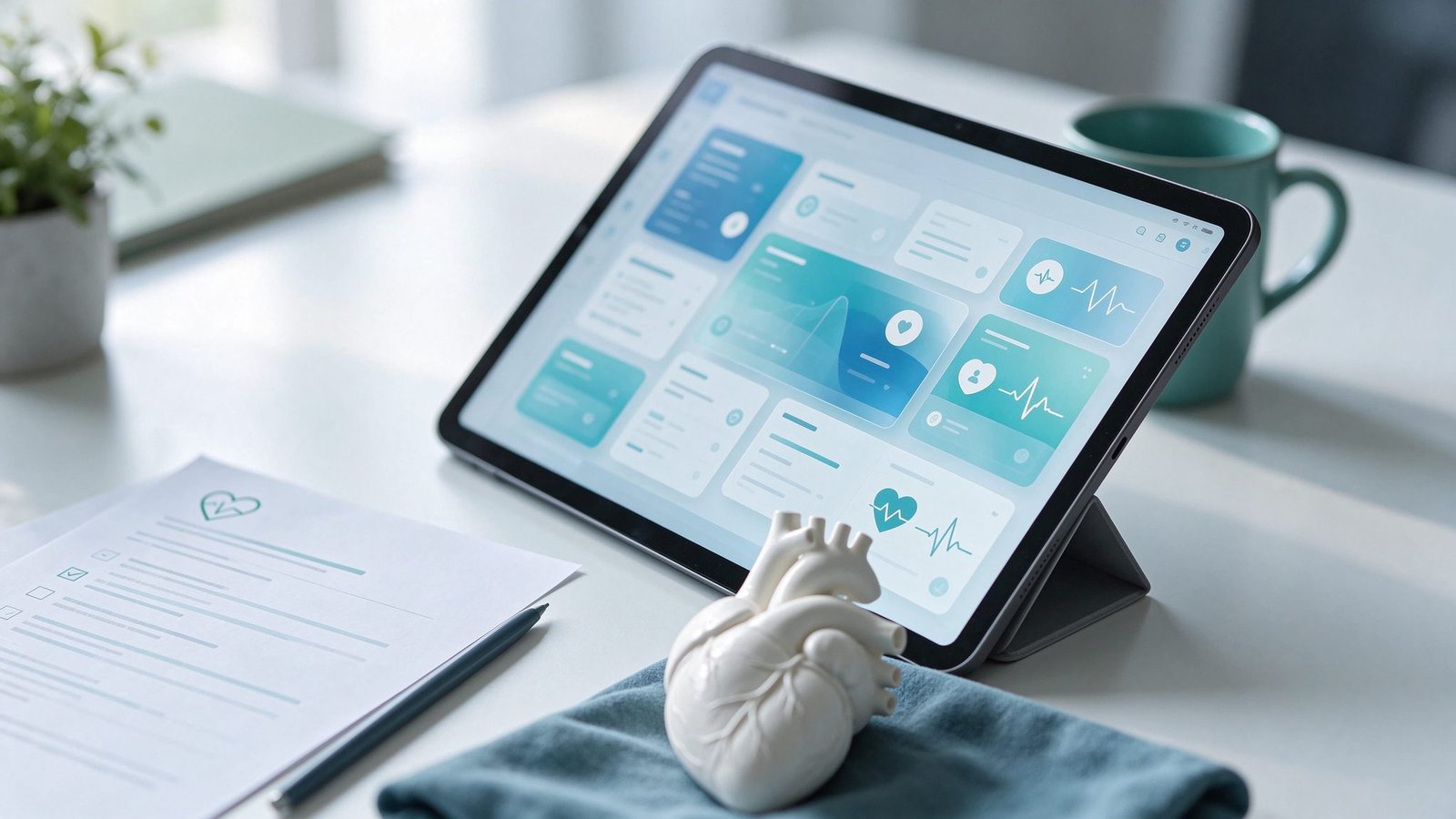
Software as a Medical Device (SaMD) is software intended to be used for medical purposes without being part of a hardware medical device. It can run on general computers, tablets, smartphones or servers, and may support diagnosis, treatment, monitoring, risk prediction or rehabilitation. Where software’s intended purpose affects health outcomes, it generally enters medical-device regulation rather than being treated as ordinary consumer software. Digital therapeutics (DTx) are a subset of SaMD: evidence-based software interventions designed to prevent, manage or treat a medical condition, often delivered through structured programs such as cognitive training, behavioral coaching or skill-building modules.
What Counts as SaMD
Classification depends on the software’s intended use and the risk it carries. A few broad categories illustrate the range:
- Clinical decision support: Software that flags risks, suggests pathways or interprets measurements, with rules for how outputs are reviewed by clinicians.
- Therapeutic programs: Structured digital interventions for conditions such as chronic pain, behavioral health, substance-use support or chronic disease self-management.
- Monitoring and prediction tools: Algorithms that track trends, estimate deterioration risk or schedule follow-up based on health data.
- Embedded accessory software: Software that drives a hardware device’s core medical function is usually regulated alongside that device rather than as standalone SaMD.
General wellness apps that track activity or lifestyle without medical claims typically sit outside device regulation, though their data practices still require responsible handling.
How SaMD Are Evaluated
Regulatory review centers on intended indication, analytical and clinical validation, software quality and post-market performance. Manufacturers must define the condition, target population and use scenario, provide evidence that the software performs as claimed, and document how algorithms are validated, maintained and updated. For adaptive or learning-based components, regulators expect controls around data quality, drift monitoring and version traceability. Clinical evidence should match the claimed benefit: a treatment claim needs evidence of clinical effectiveness, not merely usability or engagement data.
Digital Therapeutics in Practice
Digital therapeutic programs usually combine structured content, behavior-change techniques, progress tracking and sometimes clinician oversight. They may be used as stand-alone interventions or alongside conventional treatment. Adoption requires consideration of adherence, user suitability, access and how outcomes are measured over time. Prescribing or recommending a DTx follows clinical judgment: the condition, severity, contraindications and patient circumstances are assessed, and the program’s intended use and evidence base are checked. Clinicians also clarify what the software can and cannot do, and keep a route to in-person care if symptoms worsen.
Quality, Updates and Cybersecurity
SaMD development follows established software lifecycle practices: requirements, design, verification, validation, release controls and traceable documentation. Because software can be updated remotely, regulated products manage change carefully—updates that alter intended use or performance may require re-evaluation before deployment. Cybersecurity spans secure design, access control, encrypted data handling, vulnerability management and user authentication. Health-data privacy requirements apply alongside device regulation, covering consent, storage and third-party data sharing.
Evidence and Real-World Performance
Post-market monitoring tracks real-world use, adverse events, engagement outcomes and performance in populations that differ from trial samples. Institutions adopting SaMD should verify regulatory status for their jurisdiction, review published evidence, understand update policies and assess how outputs fit into existing clinical workflows. Transparent labeling about limitations, intended users and required clinician involvement helps avoid overclaiming. As the field matures, expectations around reproducible evidence and independent evaluation continue to rise.
What to Watch
Trends include interoperability between SaMD programs and electronic health records, broader use of real-world evidence in regulatory pathways, and clearer guidance for AI-based software components. Payors, providers and patients are likely to focus more on proven outcomes and value, while regulators continue to balance innovation with predictable safety and accountability requirements.
Key Takeaways
- Software with a medical intended purpose generally falls under device regulation; wellness apps are a separate category.
- Validated evidence, controlled software lifecycle, privacy and cybersecurity are core SaMD expectations.
- Digital therapeutics support care but are used within clinical judgment and alongside the wider treatment plan.
Disclaimer: This article is for general information and professional awareness only. It does not constitute legal or regulatory advice, medical treatment guidance, or a recommendation for any specific software product. Regulatory status and clinical use must be verified under applicable local rules and with qualified professionals.