

News
Remote Patient Monitoring: Connected Devices Outside the Clinic

Introduction
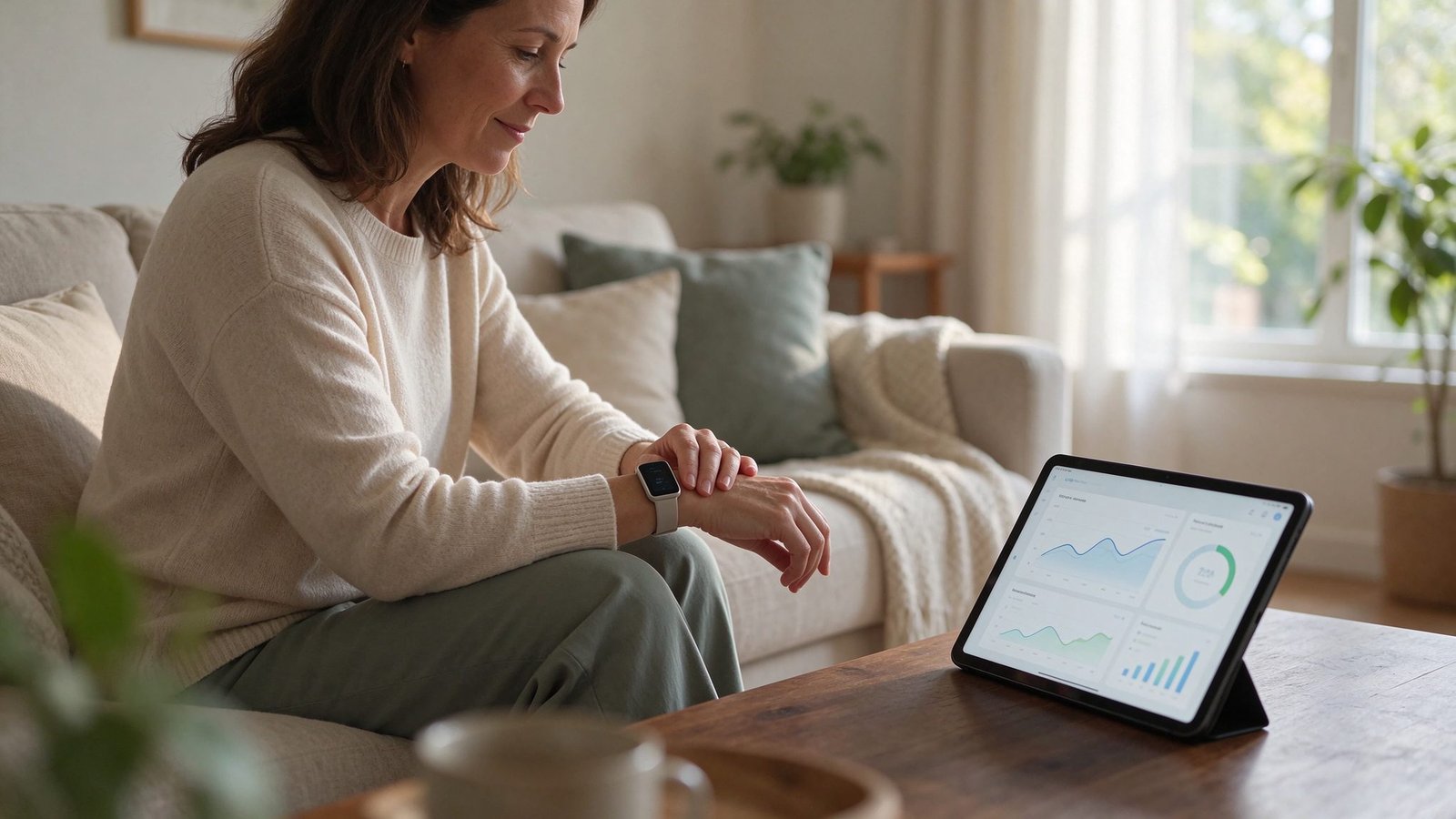
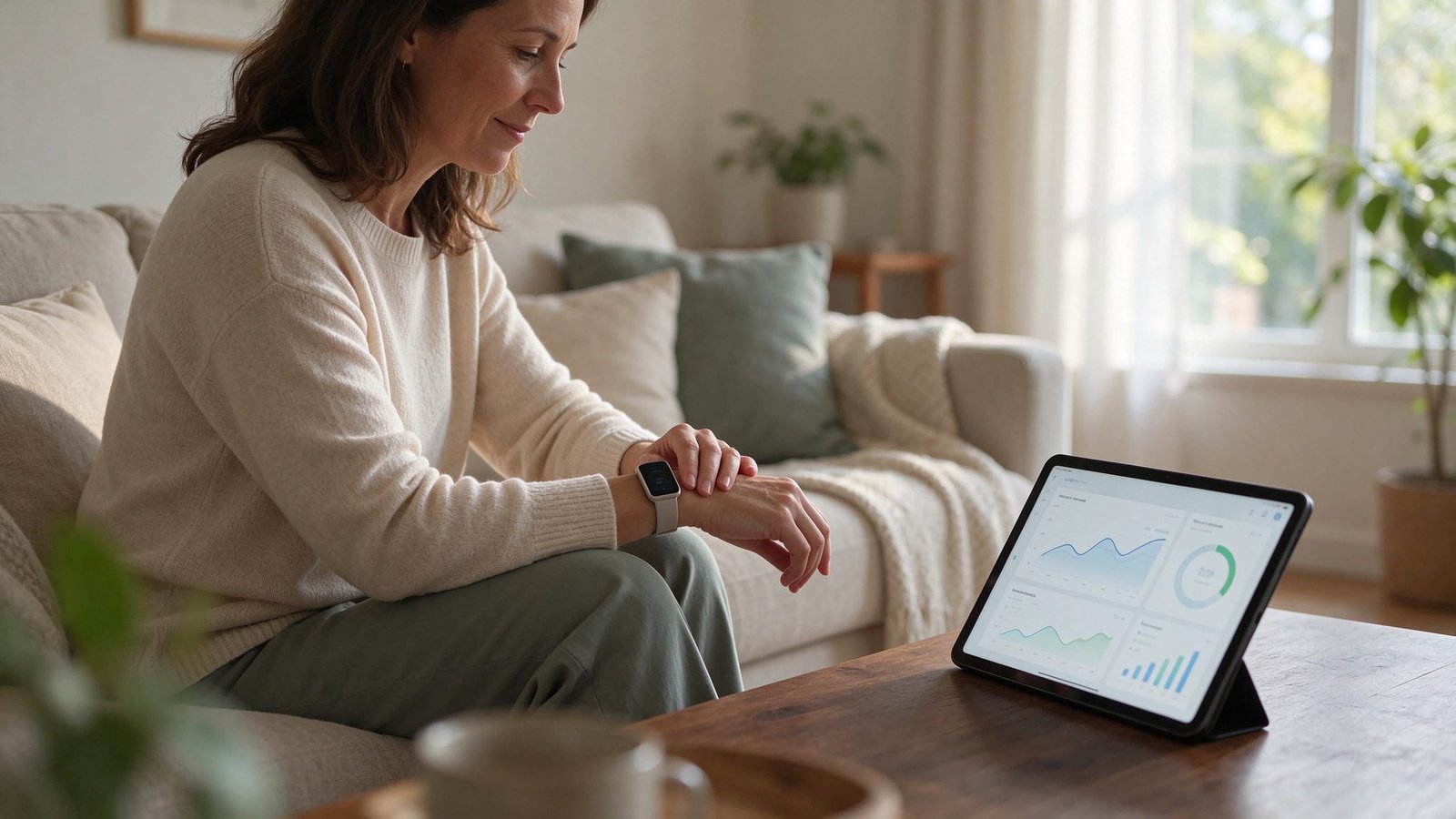
Remote patient monitoring (RPM) refers to the collection of health-related data from patients outside clinical settings, using connected devices that transmit readings to care teams. Rather than replacing face-to-face care, RPM aims to extend visibility between visits: detecting trends early, supporting self-management, and helping clinicians intervene before a condition worsens. The model is particularly associated with chronic conditions, post-discharge follow-up and patients living at a distance from care sites.
Common Monitored Parameters
RPM programs are built around parameters that can be measured reliably outside a clinic and that matter for a given condition.
- Blood pressure: Home or connected cuff readings help track hypertension trends over time rather than relying on isolated clinic measurements.
- Blood glucose: Connected glucose meters and continuous monitoring systems feed readings into shared care plans for people managing diabetes.
- Weight and fluid status: Daily weight trends are commonly used in programs monitoring heart failure and fluid retention.
- Heart rate, rhythm and oxygen saturation: Wearables and compact sensors provide indicators that care teams can review alongside symptoms.
- Symptom and medication logs: Self-reported diaries complement device readings, capturing how patients feel and whether treatment plans are being followed.
Designing a Monitoring Program
A useful RPM program is defined before devices are handed out. Key design questions include: which patients are eligible; which parameters will be monitored; what reading ranges trigger a review or escalation; how often clinicians check the data; and how patients are contacted when action is needed. Clear thresholds and documented workflows prevent the common problem of data being collected but never reviewed. Patients also need training on the device, basic troubleshooting, and a realistic expectation of what monitoring can and cannot detect.
How Clinical Teams Review the Data
Connected readings are inputs to clinical judgment, not automated verdicts. A nurse, physician, pharmacist or other qualified team member reviews trends in context—current symptoms, medication changes, recent events and the patient’s baseline. Alerts are typically prioritized by severity and paired with a direct line of communication for concerning changes. Documentation in the health record should show what was reviewed, what action followed, and how the patient was informed. Where devices are used by patients themselves, privacy and informed consent around data sharing must be explained in plain language.
Data Privacy, Security and Reliability
RPM expands the flow of health information beyond the hospital, which raises practical privacy and security requirements. Programs should use encrypted transmission, access controls, consent documentation and clear retention policies for the data collected. Device reliability matters too: connectivity failures, missed readings or inaccurate measurements can mislead teams if the program assumes every missing reading means stability. Teams need procedures for verifying device function and reaching patients whose data stops arriving.
Benefits and Limitations
Done well, RPM can support earlier recognition of deterioration, improve patient engagement in chronic care, and reduce the burden of frequent travel to clinics. It is, however, not suitable for every condition or patient, and it cannot replace examination, physical assessment or urgent in-person care when symptoms require it. Outcomes depend heavily on workflow design, clinician capacity to respond, device accuracy and how securely data are handled.
What to Watch
Ongoing development includes better integration between home devices and electronic health records, standardized alert thresholds, and sensor formats that reduce patient burden. Evaluation frameworks increasingly focus on whether RPM programs actually improve care coordination and patient outcomes, rather than on device adoption alone.
Key Takeaways
- RPM extends clinical visibility between visits; it supports, but does not replace, in-person assessment.
- Effective programs define eligibility, thresholds, review responsibilities and escalation paths up front.
- Data privacy, device reliability and clear clinical follow-through are central to safe use.
Disclaimer: This article is for general information and professional awareness only. It does not constitute medical advice or a treatment plan for any individual. Monitoring choices and clinical responses should be decided by qualified healthcare professionals within applicable regulations and institutional policies.