


News
Point-of-Care Testing: Moving Laboratory Results Closer to the Patient

Introduction
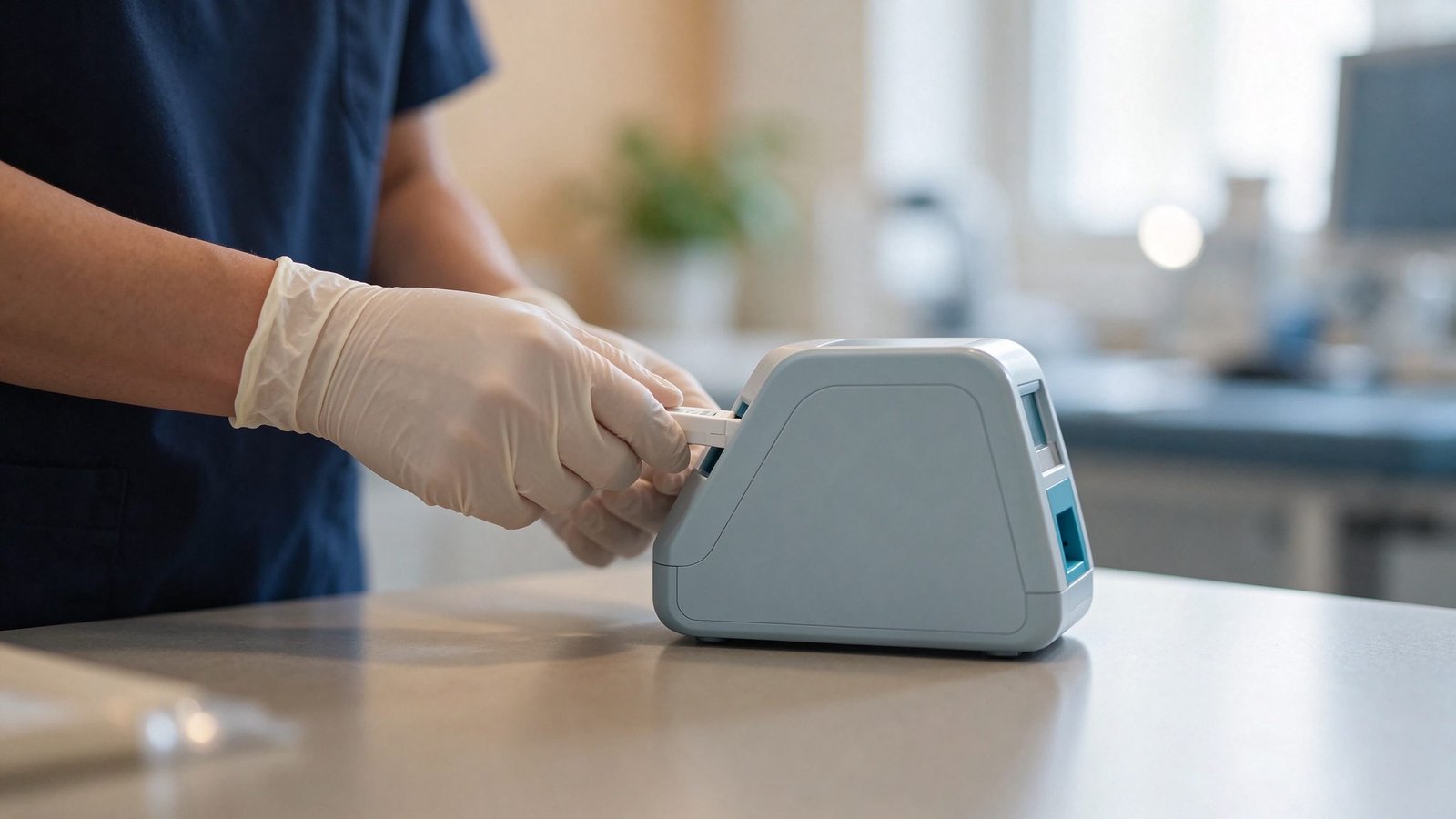
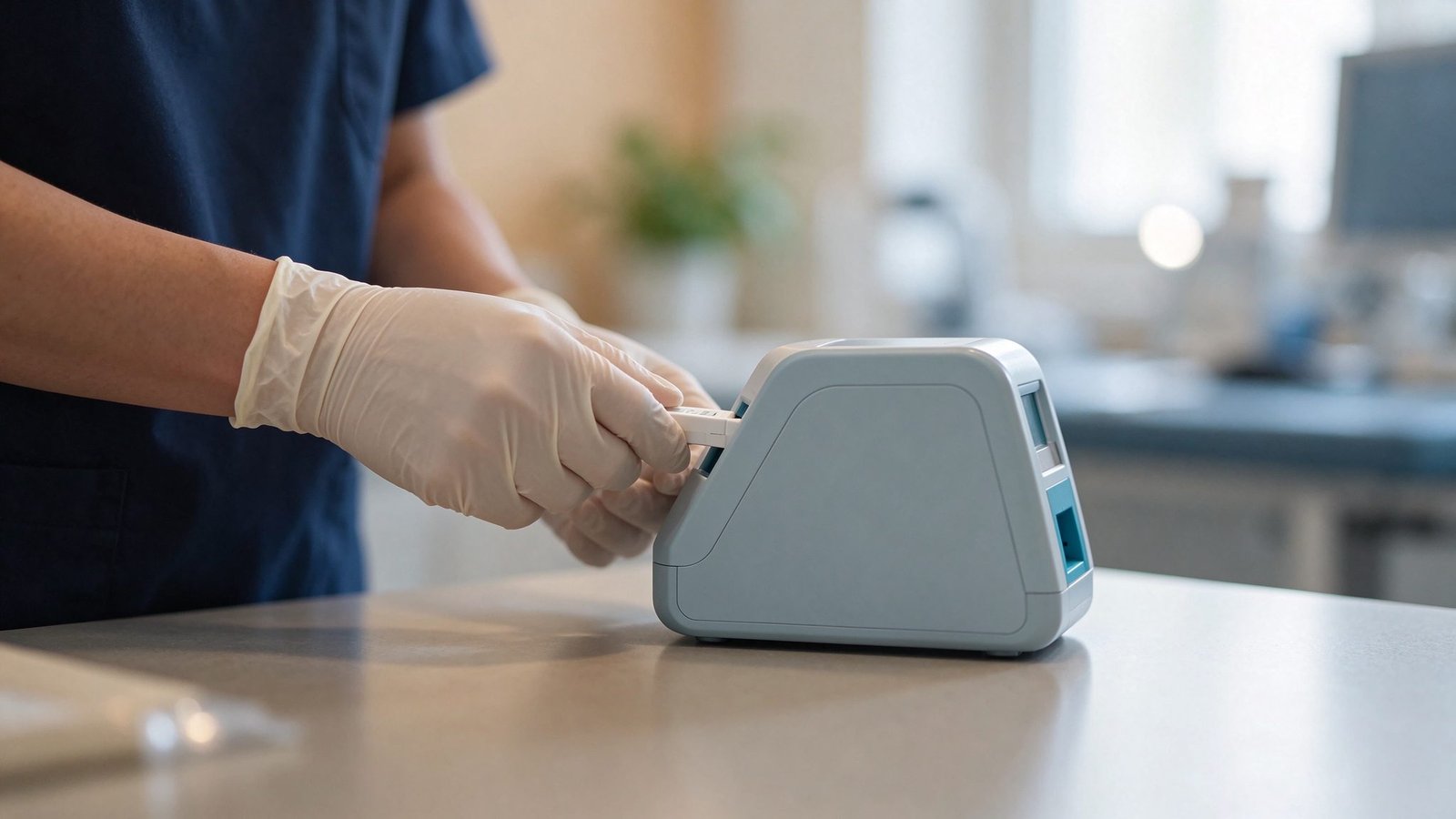
Point-of-care testing (POCT) refers to diagnostic analyses performed close to where the patient is located—at the bedside, in a clinic, urgent care, ambulance, field setting or community pharmacy—rather than in a central reference laboratory. The core promise is speed: results are available in minutes or a short turnaround, allowing clinicians to make earlier decisions about monitoring, referral or further workup. Speed, however, does not remove the need for analytical quality, trained operators and clear diagnostic pathways.
Common Categories of Point-of-Care Tests
POCT platforms span a wide range of analytes and formats, from single-use strips to compact multi-parameter instruments.
- Blood glucose monitoring: One of the most established POCT areas, used by patients and clinicians to track glucose levels.
- Cardiac and metabolic markers: Rapid tests may assess markers relevant to acute chest-pain evaluation, electrolyte balance or blood gases in selected settings.
- Infectious disease testing: Rapid antigen, antibody and molecular-style tests support triage and isolation decisions when results are needed quickly.
- Blood gas and coagulation: Compact analyzers provide immediate values in critical-care, operating-room and specialist settings.
- General chemistry and hematology: Portable or bench-top instruments bring a limited panel of routine assays to non-lab locations.
Why Speed Matters in the Workflow
The value of POCT lies in its effect on the care pathway. Faster results can reduce waiting times, shorten transport and repeat sampling, and help prioritize patients who need urgent escalation. In chronic disease management, home or near-home testing supports more frequent monitoring between visits. In emergency and remote settings, POCT can bridge gaps where a central laboratory is unavailable or its turnaround would delay action. These benefits depend, however, on the test being fit for its intended clinical question.
Quality Control and Operator Competence
POCT does not operate outside laboratory quality principles. Because operators are often clinical staff rather than dedicated laboratory scientists, institutions need clear programs covering:
- Operator training, competency assessment and record-keeping for each test type.
- Regular internal quality control, calibration checks and participation in external quality assessment where available.
- Maintenance, reagent storage and disposal procedures documented in standard operating procedures.
- Traceability of results to the patient record, including timestamps, reagent lot and instrument used.
- Clear rules for when a result should be confirmed by a central laboratory or repeated by a trained analyst.
Integration With the Broader Diagnostic Pathway
POCT results are most useful when they feed into an organized diagnostic plan rather than standing alone. Clinicians consider pre-test probability, sample adequacy, test limitations and the next step if the result is positive, negative or borderline. Devices that connect to laboratory information systems or electronic health records reduce manual transcription errors and support consolidated reporting. Communication between POCT operators, the laboratory and the treating team remains essential, especially for results that trigger urgent action.
Challenges and Considerations
Rapid testing is not without trade-offs. Smaller platforms generally offer a narrower analyte menu than central labs, and some assays carry greater analytical variability. Costs include consumables, quality control, training and device maintenance, not just the purchase price. Data connectivity and cybersecurity for connected POCT devices are additional considerations, as is ensuring that patients and non-specialist users understand result limitations and when to seek professional advice.
What to Watch
Development continues toward smaller, more connected platforms, miniaturized molecular-style testing, and instruments that combine several assays on one cartridge. Interoperability with health records and remote monitoring platforms, alongside standardized training and quality frameworks, will determine how widely these tools can be safely adopted outside traditional laboratory walls.
Key Takeaways
- POCT brings rapid results to the point of care, but clinical fit and analytical quality still determine usefulness.
- Operator training, quality control and traceability are non-negotiable parts of any POCT program.
- Results should be interpreted within a clear diagnostic pathway and recorded in the patient record.
Disclaimer: This article is for general information and professional awareness only. It does not constitute medical advice or a recommendation for any specific test, brand or treatment. Testing and clinical decisions must follow applicable regulations, local laboratory standards and the judgment of qualified healthcare professionals.

